It comes as no surprise to anyone, that the vast number of science fiction words written about the future have not come to pass. SF writers often claim that their work was never meant to predict. It’s just entertainment. It’s playing with the future.
Balderdash, I say!
Unless the men and women who get their work published are fundamentally different than I am, they don’t create worlds out of disposable tissue knowing that what they are writing is ridiculous and has no chance whatsoever of coming true. Every story written and published – at least every “hard science” story – is an attempt to look at a trend, invention or idea and ask the question, “If this goes on in a linear fashion, what will happen to my character, and thence, society as a whole?”
FRANKENSTEIN (increasingly, the original subtitle: “A Modern Prometheus”, is left out) was among the first to attempt this prediction. Mary Shelley’s futuristic (to her) tale warning about the dangers of the then new application of electricity (to cause the twitching of dead, exposed frog muscles) never came true.
Fortunately, for all of us the vast majority of SF stories never come true.
This idea of a writer’s painstakingly worked out future not coming true came home again to me when I picked up a library discard copy of Ben Bova’s collection of short stories, KINSMAN. Following the life of a 1950’s-style astronaut from his cadet years in the 60’s through his retirement, I have no doubt Bova meticulously worked out timelines, plausible technological developments and the reasonable metamorphosis of societal norms and behaviors.
I am sure he took the process very seriously. I have no doubt that in his heart-of-hearts he believed that some form of his future would come to pass someday. While it is absolutely entertaining, I have no doubt that Bova “lived” in this future over the thirteen years he wrote these stories.
Very little of his future happened, and some of the “predictions” are glaringly, even humorously…un…usual…
For example, his future has run out of gasoline and draconian governmental rationing brings the nighttime world of Washington, DC to a virtual standstill: “Looking around for a phone, Kinsman asked, ‘How do you get a cab around here?’ [Diane replied], ‘You don’t. Not at this hour. No trains, either.’” (“The Lieutenant and the Folksinger”, 1978*) and, “He rolled out of the sofabed and turned on the battery-powered lamp on the end table. The main electrical service was shut down for the night…” (“Build Me A Mountain”, 1974*)
Needless to say, few SF writers caught the digital revolution: “She turned on the tape recorder and watched the spools slowly turning as she fought the urge to cry.” (Probably from “Zero Gee”, 1972*), “Kinsman stood at the head of the darkened conference room, squinting into the solitary light of the slide projector, half-hypnotized by the clouds of blue smoke gliding through the light beam…” (“Build Me A Mountain”, 1974*)
Fewer still, for obvious reasons, realized that smoking indoors would become a crime in many states, “The old man walked slowly toward the bar, looking almost British in his tweed jacket and the pipe that he always had clamped between his teeth…He started reaming out the pipe and dumping the black soot into the ashtray.” (Probably also from “Zero Gee”, see above as well*)
Another glaringly missed development was the major stumble of communism, “…citing the growing cooperation between the Soviet and American space efforts as the reason.” (“Zero Gee”*)
Newspapers, magazines and other mail and broadcasting is also both prevalent and closely monitored by this (undisclosed political affiliation) government: “…spurred into compliance, perhaps, by the Government’s tough new laws regarding licensing for broadcasting stations and mailing permits for newspapers and magazines” and there is clearly no ACLU, “[Diane said], ‘There’s nothing left to protest about. Everything’s so well organized around the country that nobody can raise a crowd anymore. Public safety laws and all that.’” (“Build Me A Mountain” 1974*)
Of course, few male SF writers could even conceive of the possibility for the necessity of the invention of that little blue godsend, Viagra, “And it’s not a lie, either. Not completely. I’m not impotent…except when I’m with a woman.” (“Zero Gee”*)
Lastly, Bova created Kinsman’s most period-startling character flaw. Kinsman, a WASP who was wealthy to boot, intentionally chose a black man to be his ‘best friend’, “‘Who the hell do I want to team up with?’…Colt was the best man of their eight-officer squad…the best of the whole two dozen trainees…He looked down at the blank sheet of paper and wrote three names on it: Franklin Colt Franklin Colt Franklin Colt…[Kinsman said] ‘I wrote down your name.’ [Colt replied,] ‘Why the hell you wanna do that?’ [Kinsman], ‘Because you’re the best pilot in our group and I don’t want to wash out…’ [Colt] ‘Didn’t think anybody’d wanna get stuck with me.’ [Kinsman] ‘Because you’re black’…” It goes on from there. Colt plays a major role in later on in this story but fades into bit parts by the end. Nice try, but hard to carry through. ("Test In Orbit", 1965*)
My point? Perhaps SF writers have a natural dystopian view of the future? Maybe all governments, no matter their party, are inherently out for themselves and will do what it takes to quell dissent to achieve their goals? Maybe SF shouldn’t even bother to try to extrapolate the future?
Nah.
Let’s extrapolate away and in the meantime, let’s also continue to do what SF does best: create imaginary futures to ENCOURAGE the push to a real future where “The most important thing we’ll ever do is to set up permanent colonies in space.” (Chet Kinsman, KINSMAN, “Build Me A Mountain”*)
* The stories in the anthology I have (Dial Press, a Quantum Novel, 1979) are not titled with the story name but with Kinsman’s advancing ages. Based on content, I am postulating which story each “age” came from.
September 20, 2009
POSSIBLY IRRITATING ESSAY: The Unpredictive Nature of Science Fiction

 Guy Stewart is a husband; father, father-in-law, grandfather, and retired teacher/school counselor who maintains POSSIBLY IRRITATING ESSAYS offering his writing up for comment. His new novel, MARTIAN HOLIDAY will be released on December 23, 2025 and takes place in a world 500 years in the future of his first novel, EMERALD OF EARTH (YA/MS, 2024! He also writes on other worlds that have touched his life: GUYS GOTTA TALK ABOUT DIABETES, ALZHEIMERS; BREAST CANCER. He has 70+ publications in Analog, Cast of Wonders, Shoreline of Infinity, Cricket, Stupefying Stories, Nanoism, an essay in The Writer, and has created experiments for episodes of the PBS science shows Newton’s Apple, and The New Explorers—for which he became the Science Museum of Minnesota’s Teacher of the Year in 1997. Really.
September 13, 2009
WRITING ADVICE: Jack McDevitt 3: “Ask for Criticism and Go Home Angry When You Get It.”
(The Twelve Blunders are used with permission of Jack McDevitt, and are taken from his webpage: http://jackmcdevitt.com/Writers.aspx )
I’ve mostly experienced this one from the giving end. While not to say that I haven’t had my fair share of critiques – some of them brutal! – I’ve always believed that critiques are the only way I can get to be a better writer. That’s what the books say and that has certainly been my experience.
But I’ve been the target of intense ire when I’ve GIVEN critiques with the best intent.
For example, many years ago, I was in a newly formed writing critique group. There were four of us – two went on to write several novels and one of us won a major SF award. You all know who I am and what I’ve written, so I’ll call the other person Number Three.
Number Three was a very intense person. They were SERIOUS about their work and SERIOUSLY wanted to get better. Number Three took a one-year leave-of-absence from their day job to focus on the writing of their novel and they churned out pages!
The critique group (which never went by any cute name) worked on the round robin precept – each month, one person hosted and another provided a manuscript to critique. Number Three wrote like crazy and when their turn came ‘round, presented the group with a manuscript. Which was really…not…um…very well…um…done…I can only speak for myself to say that I tried so hard to find good things about the novel – but it was too hard. It was…well, I’ll leave it at that. Number Three quit the group. They do still write, but from what I’ve seen it’s primarily been non-fiction.
Another incident occurred more recently, this time with a student who was referred to me through an on-line writing program that sought to match older writer mentors with younger writers. Once again, I received the manuscript and read it. I soon realized that even taking into account the fact that the individual was young and somewhat inexperienced, the manuscript lacked in many, many ways. I wrote a letter back, commenting on the MS – and received an angry letter back from the student writer’s parent informing me that I knew little if anything about ‘real writing’ and that my comments had devastated this parent’s student and that they hoped…well, I’ll leave it at that.
Not all of my experiences have been negative – I was pleased to be accepted as a volunteer “first reader” (along with several others) for James Maxey’s third novel, DRAGONFORGE ( http://www.amazon.com/Dragonforge-Novel-Dragon-James-Maxey/dp/1844165817 ). He happily perused any comments I made, responded promptly, thanked me profusely, included me on the “Thanks To…” page as well as sending me an autographed copy of the novel.
Lest you think that maturity is only a matter of age, I’ve had the privilege of coaching a young author who has been published now three times in STONE SOUP ( http://www.stonesoup.com/writing/701 ). I had nothing to do with this story, but I’ve commented endlessly on OTHER stories he’s written. The way he easily takes critiques of his work bodes well for his future.
All this to say that writers, in order to become the best writers they can be, have to have more than thick hides (you’ve heard that one, I’m sure!), they have to be able to take criticism.
Lest you think I’m immune, I leave you with this little anecdote: I’ve been hard at work on a series of short stories using a black, middle school girl as a CSI. I’ve churned out six of these ditties. I’ve gotten comments on them from a few members of the staff of an online magazine I submit to and while I took the advice they’d given on one story, I’d pretty much gone off in a huff about the rest. Then an individual whom I deeply respect took time from his busy schedule to comment that Jasmine Ward hadn’t faced any obstacles and basically solved the cases by telling everyone what had happened. I reread the story in question and found he was right.
Ouch.
So I’ve gone back to the drawing board and I’m currently revising NOT the story, but HOW I WRITE STORY. I’ll let you know how the experiment goes. In the meantime, if you ask for honest criticism, go home angry when you get it AND WRITE THE BEST DANG STORY YOU CAN!
That’s what I’m gonna do anyway.
I’ve mostly experienced this one from the giving end. While not to say that I haven’t had my fair share of critiques – some of them brutal! – I’ve always believed that critiques are the only way I can get to be a better writer. That’s what the books say and that has certainly been my experience.
But I’ve been the target of intense ire when I’ve GIVEN critiques with the best intent.
For example, many years ago, I was in a newly formed writing critique group. There were four of us – two went on to write several novels and one of us won a major SF award. You all know who I am and what I’ve written, so I’ll call the other person Number Three.
Number Three was a very intense person. They were SERIOUS about their work and SERIOUSLY wanted to get better. Number Three took a one-year leave-of-absence from their day job to focus on the writing of their novel and they churned out pages!
The critique group (which never went by any cute name) worked on the round robin precept – each month, one person hosted and another provided a manuscript to critique. Number Three wrote like crazy and when their turn came ‘round, presented the group with a manuscript. Which was really…not…um…very well…um…done…I can only speak for myself to say that I tried so hard to find good things about the novel – but it was too hard. It was…well, I’ll leave it at that. Number Three quit the group. They do still write, but from what I’ve seen it’s primarily been non-fiction.
Another incident occurred more recently, this time with a student who was referred to me through an on-line writing program that sought to match older writer mentors with younger writers. Once again, I received the manuscript and read it. I soon realized that even taking into account the fact that the individual was young and somewhat inexperienced, the manuscript lacked in many, many ways. I wrote a letter back, commenting on the MS – and received an angry letter back from the student writer’s parent informing me that I knew little if anything about ‘real writing’ and that my comments had devastated this parent’s student and that they hoped…well, I’ll leave it at that.
Not all of my experiences have been negative – I was pleased to be accepted as a volunteer “first reader” (along with several others) for James Maxey’s third novel, DRAGONFORGE ( http://www.amazon.com/Dragonforge-Novel-Dragon-James-Maxey/dp/1844165817 ). He happily perused any comments I made, responded promptly, thanked me profusely, included me on the “Thanks To…” page as well as sending me an autographed copy of the novel.
Lest you think that maturity is only a matter of age, I’ve had the privilege of coaching a young author who has been published now three times in STONE SOUP ( http://www.stonesoup.com/writing/701 ). I had nothing to do with this story, but I’ve commented endlessly on OTHER stories he’s written. The way he easily takes critiques of his work bodes well for his future.
All this to say that writers, in order to become the best writers they can be, have to have more than thick hides (you’ve heard that one, I’m sure!), they have to be able to take criticism.
Lest you think I’m immune, I leave you with this little anecdote: I’ve been hard at work on a series of short stories using a black, middle school girl as a CSI. I’ve churned out six of these ditties. I’ve gotten comments on them from a few members of the staff of an online magazine I submit to and while I took the advice they’d given on one story, I’d pretty much gone off in a huff about the rest. Then an individual whom I deeply respect took time from his busy schedule to comment that Jasmine Ward hadn’t faced any obstacles and basically solved the cases by telling everyone what had happened. I reread the story in question and found he was right.
Ouch.
So I’ve gone back to the drawing board and I’m currently revising NOT the story, but HOW I WRITE STORY. I’ll let you know how the experiment goes. In the meantime, if you ask for honest criticism, go home angry when you get it AND WRITE THE BEST DANG STORY YOU CAN!
That’s what I’m gonna do anyway.
Guy Stewart is a husband; father, father-in-law, grandfather, and retired teacher/school counselor who maintains POSSIBLY IRRITATING ESSAYS offering his writing up for comment. His new novel, MARTIAN HOLIDAY will be released on December 23, 2025 and takes place in a world 500 years in the future of his first novel, EMERALD OF EARTH (YA/MS, 2024! He also writes on other worlds that have touched his life: GUYS GOTTA TALK ABOUT DIABETES, ALZHEIMERS; BREAST CANCER. He has 70+ publications in Analog, Cast of Wonders, Shoreline of Infinity, Cricket, Stupefying Stories, Nanoism, an essay in The Writer, and has created experiments for episodes of the PBS science shows Newton’s Apple, and The New Explorers—for which he became the Science Museum of Minnesota’s Teacher of the Year in 1997. Really.
September 11, 2009
Skipping From the 1980s to the 21st Century in One Long Leap!
The school year just started and I am awash not only in the usual busyness, but also in adjusting to our newly "emptied nest" -- my son lives in a northern suburb about 10 miles from here and my daughter started college three weeks ago.
But perhaps just as unbalancing has been the fact that I am in a research study using a "new" (remember that schools are typically a bit behind the "new" curve!) technology called a SmartBoard. One of my colleagues asked to if I would be interested in volunteering for the study with her and I said "yes". Got the training -- it's a MARVELOUS TOOL! -- and am now busy integrating it.
I am something of a fossil as this is my 28th year of teaching and I remember using MIMEOGRAPH dittos to do lessons and having to use a calculator to hand-add grades then fill out bubble sheets to get the grades into the computer that did little more than print report cards and store the data.
At any rate, in my classroom I have been VERY slowly turning my "hand printed" worksheets and acetate overhead presentations into PowerPoint presentations. My colleagues gently rib me because of my "fossil" status.
With this training to use the SmartBoard and its accompanying software, I've SUDDENLY leap-frogged over them and *POOF!*, now I'm ahead of the technology curve -- as our school has only two mobile SmartBoards in addition to our two mounted SmartBoards...
All this to say that I am scrambling to change from overheads to SmartBoard, I am WAYYYYY behind on writing and I will get back to my regular posts this Sunday!
Guy
But perhaps just as unbalancing has been the fact that I am in a research study using a "new" (remember that schools are typically a bit behind the "new" curve!) technology called a SmartBoard. One of my colleagues asked to if I would be interested in volunteering for the study with her and I said "yes". Got the training -- it's a MARVELOUS TOOL! -- and am now busy integrating it.
I am something of a fossil as this is my 28th year of teaching and I remember using MIMEOGRAPH dittos to do lessons and having to use a calculator to hand-add grades then fill out bubble sheets to get the grades into the computer that did little more than print report cards and store the data.
At any rate, in my classroom I have been VERY slowly turning my "hand printed" worksheets and acetate overhead presentations into PowerPoint presentations. My colleagues gently rib me because of my "fossil" status.
With this training to use the SmartBoard and its accompanying software, I've SUDDENLY leap-frogged over them and *POOF!*, now I'm ahead of the technology curve -- as our school has only two mobile SmartBoards in addition to our two mounted SmartBoards...
All this to say that I am scrambling to change from overheads to SmartBoard, I am WAYYYYY behind on writing and I will get back to my regular posts this Sunday!
Guy
Guy Stewart is a husband; father, father-in-law, grandfather, and retired teacher/school counselor who maintains POSSIBLY IRRITATING ESSAYS offering his writing up for comment. His new novel, MARTIAN HOLIDAY will be released on December 23, 2025 and takes place in a world 500 years in the future of his first novel, EMERALD OF EARTH (YA/MS, 2024! He also writes on other worlds that have touched his life: GUYS GOTTA TALK ABOUT DIABETES, ALZHEIMERS; BREAST CANCER. He has 70+ publications in Analog, Cast of Wonders, Shoreline of Infinity, Cricket, Stupefying Stories, Nanoism, an essay in The Writer, and has created experiments for episodes of the PBS science shows Newton’s Apple, and The New Explorers—for which he became the Science Museum of Minnesota’s Teacher of the Year in 1997. Really.
September 6, 2009
ETC…LIFE’S LITTLE CRISES AND SOMETHING SOMEONE WROTE ON FACEBOOK….
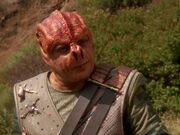

I am a member of an on-line speculative fiction (this field includes science fiction, fantasy, horror, alternate futures and other, not-so-easily-defined fiction) writer’s group. Group members vary widely in political views, socio-economic status and religious beliefs, yet because we are all interested in writing speculative fiction and have all had publications ranging from single stories in collections like WRITERS OF THE FUTURE to individuals with multi-book, six-figure advance deals, we pretty much gets along with each other. We happily expose ourselves to a wide spectrum of viewpoints (that sounds…um…bad doesn’t it?) and ask each other questions rather than torpedo viewpoints we don’t agree with on sight.
One of the members of this group posted an anecdote and question recently: “Driving home from a lovely picnic today, we passed one of those sign-boards in front of a little Christian church. You know, the ones with the movable type on which someone spells out some sort of brief, thought-provoking message that’s intended to pump up the church-going crowd? I think they’re the preaching equivalent of hearing that ‘Y’all ready for this?’ song before a sporting event.
“At any rate, this particular sign caught my eye because it boldly pronounced the following:
“‘Sin has no minimum wage’
“That sounds good and preachy, for sure, and it even has a sort of home-spun familiarity to it. Yet, at the same time, it’s been several hours and I’m still uncertain what it actually means.”
I took a deep breath and responded: “OK -- I'm a Bible Thumper and I had to think about this for a while before I ‘got it’. There is a verse in the Bible that says, ‘For the wages of sin are death, but the free gift of God is eternal life in Christ’ (ref: Romans 6:23). The implication, if I'm reading between the words right, is that sin is sin; there is no ‘little’ sin; and the wages of ANY sin are death -- so EVERYONE (murderers to gossipers to gluttons) need the free Gift of God.”
This exchange made me think in all sorts of directions. First and foremost was that this is yet another example of Christians speaking a language foreign to anyone who is NOT a Christian. This in turn brings to mind an old STAR TREK: THE NEXT GENERATION episode called “Darmok”. In a nutshell: a technologically advanced race called the Tamarians who have their own powerful starships, their own territory – and their own way of looking at the universe meets the crew of the
No one on the
All this to say that many Christians assume that all Americans have a common context frame – that we “all speak the same language”. But we don’t, especially when it comes to matters of faith. Even though I responded to my writer’s group friend, I’m still not sure he’ll understand, and to tell you the truth, that’s not his fault, it’s mine. Mine is the storehouse of metaphors that have passed out of common use, so it’s my responsibility to make sure the ideas of my belief system are communicated in ways the culture I live in understands.
Another example: when I was in
I don’t know how they resolved the dilemma, but they had to or risk lose the message of the Good News of Jesus Christ. Once again:
“Can we be culturally relevant for the cause of Christ without becoming spiritually irrelevant?” Beth Moore, DANIEL Bible Study (p 125)
“The point is not to adopt the culture and lose the message, the point is to understand the culture so we can build bridges to it for the sake of gaining a hearing for the Gospel of Jesus.” Reggie McNeal, THE PRESENT FUTURE (p 51)
I’ve waxed long enough. To summarize: Even today, even here, we have to make sure that the message of Jesus’ life-changing power is clear to the culture we’re addressing. We may all speak English (more or less!), but we have to use the right metaphors as well.
Lastly: crises in the Stewart family kept me from writing last Thursday. Sorry. Some days seem like weeks. Some weeks seem like days (summer weeks are especially susceptible to time dilation effects.)
Guy Stewart is a husband; father, father-in-law, grandfather, and retired teacher/school counselor who maintains POSSIBLY IRRITATING ESSAYS offering his writing up for comment. His new novel, MARTIAN HOLIDAY will be released on December 23, 2025 and takes place in a world 500 years in the future of his first novel, EMERALD OF EARTH (YA/MS, 2024! He also writes on other worlds that have touched his life: GUYS GOTTA TALK ABOUT DIABETES, ALZHEIMERS; BREAST CANCER. He has 70+ publications in Analog, Cast of Wonders, Shoreline of Infinity, Cricket, Stupefying Stories, Nanoism, an essay in The Writer, and has created experiments for episodes of the PBS science shows Newton’s Apple, and The New Explorers—for which he became the Science Museum of Minnesota’s Teacher of the Year in 1997. Really.
August 30, 2009
POSSIBLY IRRITATING ESSAYS: Global Warming, the god-like Power of Humanity and Supernature
On global warming:
a) Human actions, especially in the last two centuries have had a profound impact (note – I refuse to use the newEnglish phrase “profoundly impactful effect”) on the global environment.
b) Human actions, especially in the next 200 years, will have a profound impact in reducing and in some cases reversing, the damage to the global environment.
The last time I addressed this subject, I was viciously attacked in writing by a PhD in astrophysics. He attacked my stance, my intelligence, my work, my religious beliefs and my personal integrity. He had a profound impact on me.
I will try once more to say what I intended to say then: some individuals have substituted a belief in the inevitable victory of correctly applied natural science for a belief in a supernatural God who has both a longer view than Humanity and more absolute power. Some individuals have replaced God with an omnipotent Humanity robed in science and technology.
Some the these individuals believe that Humanity is effective and that God is ineffective; in fact for many of them, God doesn’t exist at all. Their belief is that the future’s shape is solely up to us (though the “us” is often men and a few women armed with Western science) to save the planet.
I disagree: God exists, God is effective and the future’s shape is up to God, who has already saved us.
The simple astronomical fact is that nothing can be done to save this natural Earth. In four and a half billion years, Earth will be consumed by our sun in its death throes.
Based on various models, natural life on Earth will end substantially before that. There is a steadily increasing likelihood that Earth will be “profoundly impacted” by a comet or asteroid resulting in an extinction event. In this case, the event will cause the extinction of Humanity on Earth. Alternately, there is a slowly increasing likelihood that natural diseases will evolve whose end result will dwarf the death toll of the Black Plague.
To answer the threat of global warming, heavenly extinction event or plague, trillions of dollars MUST be appropriated and spent by all of Humanity to ameliorate or eliminate natural Humanity-threatening catastrophe. But no matter what we do, the end of Humanity will eventually come. Even after the singularity perpetuates a version of Humanity forever, natural Humanity will become extinct with the heat death of the Universe.
Sooner or later, organic or singularity Humanity with no supernatural aspect will become extinct. I completely agree that we should fight against that to the distant end. But without God, we will become extinct. If there is nothing of us that is supernatural (literally “above nature”), then our Earthly Humanity will disappear someday.
But if there is a God who is supernatural and three-in-one, and we live within His supernature, then God promises that we will never die and we will not become extinct. If we intend profound natural effort to put off the extinction of Humanity, then shouldn’t we consider taking profound supernatural effort as well?
a) Human actions, especially in the last two centuries have had a profound impact (note – I refuse to use the newEnglish phrase “profoundly impactful effect”) on the global environment.
b) Human actions, especially in the next 200 years, will have a profound impact in reducing and in some cases reversing, the damage to the global environment.
The last time I addressed this subject, I was viciously attacked in writing by a PhD in astrophysics. He attacked my stance, my intelligence, my work, my religious beliefs and my personal integrity. He had a profound impact on me.
I will try once more to say what I intended to say then: some individuals have substituted a belief in the inevitable victory of correctly applied natural science for a belief in a supernatural God who has both a longer view than Humanity and more absolute power. Some individuals have replaced God with an omnipotent Humanity robed in science and technology.
Some the these individuals believe that Humanity is effective and that God is ineffective; in fact for many of them, God doesn’t exist at all. Their belief is that the future’s shape is solely up to us (though the “us” is often men and a few women armed with Western science) to save the planet.
I disagree: God exists, God is effective and the future’s shape is up to God, who has already saved us.
The simple astronomical fact is that nothing can be done to save this natural Earth. In four and a half billion years, Earth will be consumed by our sun in its death throes.
Based on various models, natural life on Earth will end substantially before that. There is a steadily increasing likelihood that Earth will be “profoundly impacted” by a comet or asteroid resulting in an extinction event. In this case, the event will cause the extinction of Humanity on Earth. Alternately, there is a slowly increasing likelihood that natural diseases will evolve whose end result will dwarf the death toll of the Black Plague.
To answer the threat of global warming, heavenly extinction event or plague, trillions of dollars MUST be appropriated and spent by all of Humanity to ameliorate or eliminate natural Humanity-threatening catastrophe. But no matter what we do, the end of Humanity will eventually come. Even after the singularity perpetuates a version of Humanity forever, natural Humanity will become extinct with the heat death of the Universe.
Sooner or later, organic or singularity Humanity with no supernatural aspect will become extinct. I completely agree that we should fight against that to the distant end. But without God, we will become extinct. If there is nothing of us that is supernatural (literally “above nature”), then our Earthly Humanity will disappear someday.
But if there is a God who is supernatural and three-in-one, and we live within His supernature, then God promises that we will never die and we will not become extinct. If we intend profound natural effort to put off the extinction of Humanity, then shouldn’t we consider taking profound supernatural effort as well?
Guy Stewart is a husband; father, father-in-law, grandfather, and retired teacher/school counselor who maintains POSSIBLY IRRITATING ESSAYS offering his writing up for comment. His new novel, MARTIAN HOLIDAY will be released on December 23, 2025 and takes place in a world 500 years in the future of his first novel, EMERALD OF EARTH (YA/MS, 2024! He also writes on other worlds that have touched his life: GUYS GOTTA TALK ABOUT DIABETES, ALZHEIMERS; BREAST CANCER. He has 70+ publications in Analog, Cast of Wonders, Shoreline of Infinity, Cricket, Stupefying Stories, Nanoism, an essay in The Writer, and has created experiments for episodes of the PBS science shows Newton’s Apple, and The New Explorers—for which he became the Science Museum of Minnesota’s Teacher of the Year in 1997. Really.
August 23, 2009
THE RECONSTRUCTION OF MAI LI HASTINGS 6: Roof
In the back of the squad car, CJ Hastings hung his head. He was never going to go anywhere. He was never going do anything. He was never going to be anyone.
He and his mother, along with the cop driving, listened to the police scanner in silence until they reached the house. The cop said, “Will you be all right?” to CJ’s mom.
“Yes.”
The cop turned back to CJ and asked, “Do you feel safe enough to go home with your mother tonight?”
CJ blinked. No one had ever asked him that question before. He didn’t reply at first. Aside from Mom going thermo and him getting grounded for the rest of his life, he didn’t think anything else would go wrong. He said, “Yeah, I’ll be fine.” The cop nodded, got out and let CJ out. Mom got out on her own.
When they got in the house, he nodded to Phyllis and muttered, “Sorry.” He headed downstairs where…absolutely nothing awaited him.
He was sound asleep when the light came on and Mom said, “Chris! You have to get up. The doctors called. We have to go to the University now.”
“What?” Chris croaked, sitting up. Mom never came down to his room. He suddenly remembered he hadn’t changed into sweatpants or gym shorts last night and pulled his sheets and blankets into his lap, piling them high. “What?” he tried again. This time is sounded like he was speaking English instead of Entish.
“We have to go. The U called and said the nanomachines are ready!” she said, spun around and hurried back upstairs.
He dressed in jeans and a T-shirt after using the badly needed bathroom and ran upstairs with a fresh pair of socks in hand. His shoes were outside on the steps because they smelled bad no matter what he and his mom did. She already Mai Li set up with Cheerios on her tray. CJ leaned over and gave her a kiss on the cheek. A slow grin spread across her face as her arm came up just as slowly to grab him. If her reflexes were fast like a regular person’s, she’d have been able to catch his head and give him one of her slobbery kisses.
“Why’d you wake me up?”
Mom stopped pouring a bowl of cereal and turned to face him. She said, “You don’t think I can do this alone, do you?”
CJ turned from the intensity of her look, shrugging. “It’s just that when we went there before, I got creeped out.”
“I thought you were the one who thought nanomachines were…what did you say? Trash?"
CJ rolled his eyes. It sounded stupid when old people tried to talk kid. “Track, Mom. Track. Nanos are track, but putting them in Mai Li’s head?” He shrugged again. “I dunno.” This time he looked at her, head on, “What if they don’t fix her brain? What if her head blows up?”
His mom took a deep breath and let it out, blowing straight up, making the hairs that had escaped her bun flutter up. She was staring at Mai Li who was busy picking up a Cheerio again. She said softly, “I don’t know, Chris. Maybe it would be for the better…”
“Mom!” CJ exclaimed. Mai Li started, throwing her hard-won Cheerio over her shoulder. She started to cry. He went to his adoptive sister and took her head between his hands, one on her forehead, one cupping the back of her head, and pulling her ear to his chest. She struggled a little at first, but once she heard his heartbeat, she relaxed and went limp. He looked down at her. She was staring, blinking slowly, mouth open, chewed Cheerios drooling out of the left corner of her mouth. The look, no matter how hard he tried to see something, was vacant. No matter how much he loved Mai Li, he didn’t see the same thing in her eyes that he saw in Job’s, or Ms. Hester’s or even either of the Mr. B’s. He set her back upright and she resumed her hunt for the Cheerios. He said, “It’ll work. They said it would reconstruct her brain. They know what they’re talking about. Nanomachines are speed track now, Mom.”
Mom deliberately lowered her chin, staring at Mai Li. Without thinking, CJ took a corner of his T-shirt and wiped her face. Mom was watching, but said without heat, “Go down and put on a clean T-shirt, Chris.”
CJ sighed. In the eyes of the world, he’d never amount to anything or do anything important. He wasn’t going to the Math Tournament, either. But at least he was going downtown to the U – where researchers were going to shoot his sister’s brain full of nanomachines that were supposed to reconstruct her brain.
Or turn it into something resembling the chewed Cheerios sliding down Mai Li’s chin.
He and his mother, along with the cop driving, listened to the police scanner in silence until they reached the house. The cop said, “Will you be all right?” to CJ’s mom.
“Yes.”
The cop turned back to CJ and asked, “Do you feel safe enough to go home with your mother tonight?”
CJ blinked. No one had ever asked him that question before. He didn’t reply at first. Aside from Mom going thermo and him getting grounded for the rest of his life, he didn’t think anything else would go wrong. He said, “Yeah, I’ll be fine.” The cop nodded, got out and let CJ out. Mom got out on her own.
When they got in the house, he nodded to Phyllis and muttered, “Sorry.” He headed downstairs where…absolutely nothing awaited him.
He was sound asleep when the light came on and Mom said, “Chris! You have to get up. The doctors called. We have to go to the University now.”
“What?” Chris croaked, sitting up. Mom never came down to his room. He suddenly remembered he hadn’t changed into sweatpants or gym shorts last night and pulled his sheets and blankets into his lap, piling them high. “What?” he tried again. This time is sounded like he was speaking English instead of Entish.
“We have to go. The U called and said the nanomachines are ready!” she said, spun around and hurried back upstairs.
He dressed in jeans and a T-shirt after using the badly needed bathroom and ran upstairs with a fresh pair of socks in hand. His shoes were outside on the steps because they smelled bad no matter what he and his mom did. She already Mai Li set up with Cheerios on her tray. CJ leaned over and gave her a kiss on the cheek. A slow grin spread across her face as her arm came up just as slowly to grab him. If her reflexes were fast like a regular person’s, she’d have been able to catch his head and give him one of her slobbery kisses.
“Why’d you wake me up?”
Mom stopped pouring a bowl of cereal and turned to face him. She said, “You don’t think I can do this alone, do you?”
CJ turned from the intensity of her look, shrugging. “It’s just that when we went there before, I got creeped out.”
“I thought you were the one who thought nanomachines were…what did you say? Trash?"
CJ rolled his eyes. It sounded stupid when old people tried to talk kid. “Track, Mom. Track. Nanos are track, but putting them in Mai Li’s head?” He shrugged again. “I dunno.” This time he looked at her, head on, “What if they don’t fix her brain? What if her head blows up?”
His mom took a deep breath and let it out, blowing straight up, making the hairs that had escaped her bun flutter up. She was staring at Mai Li who was busy picking up a Cheerio again. She said softly, “I don’t know, Chris. Maybe it would be for the better…”
“Mom!” CJ exclaimed. Mai Li started, throwing her hard-won Cheerio over her shoulder. She started to cry. He went to his adoptive sister and took her head between his hands, one on her forehead, one cupping the back of her head, and pulling her ear to his chest. She struggled a little at first, but once she heard his heartbeat, she relaxed and went limp. He looked down at her. She was staring, blinking slowly, mouth open, chewed Cheerios drooling out of the left corner of her mouth. The look, no matter how hard he tried to see something, was vacant. No matter how much he loved Mai Li, he didn’t see the same thing in her eyes that he saw in Job’s, or Ms. Hester’s or even either of the Mr. B’s. He set her back upright and she resumed her hunt for the Cheerios. He said, “It’ll work. They said it would reconstruct her brain. They know what they’re talking about. Nanomachines are speed track now, Mom.”
Mom deliberately lowered her chin, staring at Mai Li. Without thinking, CJ took a corner of his T-shirt and wiped her face. Mom was watching, but said without heat, “Go down and put on a clean T-shirt, Chris.”
CJ sighed. In the eyes of the world, he’d never amount to anything or do anything important. He wasn’t going to the Math Tournament, either. But at least he was going downtown to the U – where researchers were going to shoot his sister’s brain full of nanomachines that were supposed to reconstruct her brain.
Or turn it into something resembling the chewed Cheerios sliding down Mai Li’s chin.
Guy Stewart is a husband; father, father-in-law, grandfather, and retired teacher/school counselor who maintains POSSIBLY IRRITATING ESSAYS offering his writing up for comment. His new novel, MARTIAN HOLIDAY will be released on December 23, 2025 and takes place in a world 500 years in the future of his first novel, EMERALD OF EARTH (YA/MS, 2024! He also writes on other worlds that have touched his life: GUYS GOTTA TALK ABOUT DIABETES, ALZHEIMERS; BREAST CANCER. He has 70+ publications in Analog, Cast of Wonders, Shoreline of Infinity, Cricket, Stupefying Stories, Nanoism, an essay in The Writer, and has created experiments for episodes of the PBS science shows Newton’s Apple, and The New Explorers—for which he became the Science Museum of Minnesota’s Teacher of the Year in 1997. Really.
WRITING ADVICE: Jack McDevitt 2: “Go for that smooth first draft.”
(The Twelve Blunders are used with permission of Jack McDevitt, and are taken from his webpage: http://jackmcdevitt.com/Writers.aspx)
Guy Stewart is a husband; father, father-in-law, grandfather, and retired teacher/school counselor who maintains POSSIBLY IRRITATING ESSAYS offering his writing up for comment. His new novel, MARTIAN HOLIDAY will be released on December 23, 2025 and takes place in a world 500 years in the future of his first novel, EMERALD OF EARTH (YA/MS, 2024! He also writes on other worlds that have touched his life: GUYS GOTTA TALK ABOUT DIABETES, ALZHEIMERS; BREAST CANCER. He has 70+ publications in Analog, Cast of Wonders, Shoreline of Infinity, Cricket, Stupefying Stories, Nanoism, an essay in The Writer, and has created experiments for episodes of the PBS science shows Newton’s Apple, and The New Explorers—for which he became the Science Museum of Minnesota’s Teacher of the Year in 1997. Really.
August 16, 2009
Slice of PIE: NEWSFLASH! AFTER 25 PUBLICATIONS, PERSISTENCE STILL NECESSARY!
(I wrote this article six years ago, lost it and just found it again. I currently have 35 professional publications under my belt, an activity book due out sometime this fall and a blog that people read. I find that this article still applies – of course, the numbers have changed for the better, but it’s still as true today as it was six years ago.)
With three sales to the Cricket Magazine Group, two to a major science fiction magazine, numerous newspaper essays, a nomination for the Paul A. Witty Short Story Award, inclusion of a short story in a Scott Foresman Fourth Grade Reader, my own book (available at all fine B&N and Northwestern Book stores everywhere), invitations to Young Author conferences and in my second year as a COMPAS Writer In The Schools program – you’d think I wouldn’t get rejected or need advice any more.
If you thought that – like I did thirteen years ago – you’d be most sadly mistaken.
I clearly remember longing for my FIRST professional publication. I was writing as often as I could, working 11 pm – 9 am at a home for the physically and mentally handicapped, working another day job, and planning for a wedding. My manuscripts kept coming back to me rejected. I subscribed to The Writer and Writers Digest. I bought or read every writing book I could get my hands on. If I’d run across an article like this, I know what my reaction would have been: “Yeah. Fine. Easy for you to say; you made it.”
Amazingly enough, I have “made it’. But I still get rejected more often than I get accepted. Full-time freelancing is still only a dream, and I’m frustrated by how little time I can spend writing. I have a wife, two (one teen, the other a teen wannabe) kids, a dog, two cats, and an assortment of other creatures to care for as well as a near-fifty-year-old house. I have a full-time job teaching (“Aha!” you’ll shout, “That’s why you’re published! All that free time to sit around, sipping lattes and typing salable manuscripts. I don’t have a cushy job like THAT. I have a real job!”…um…care to join me for a week in the classroom?)
But despite the above-mentioned blessings, I still have to apply the seat of my pants to the chair in front of the computer and write. Persistence – writing as many manuscripts as I can, doing market research, query letters, calls, emails, pulling story ideas from “nowhere”, and surviving impersonal rejection slips – is still required. It’s still essential.
That came as a surprise to me. I thought that once I got REALLY published it would all be easy – all gravy except for the meat! But now, instead of worrying about breaking the publication barrier, I’m working on breaking into new publications. I’m trying to learn enough from a novel re-write with an editor (fourth time around, six years in the writing) to make my NEXT book a little less difficult to write. The dozen unpublished (and mostly unpublishable!) novels in my files cry out to me. When I lay out all my publications and blur my vision to admire them, I can only stay that way for so long.
But eventually I realize that if I want more publications, I have go back to square one: write and send out. Persist in my form of craziness. It’s no different now that I’ve “made it” than when I was just starting.
Do multiple publications make rejection easier? Not at all – in fact being rejected by someone I know is harder than being rejected by a stranger. It’s also harder not to take the rejection personally. It makes it harder to take the manuscript that I wrote with that particular editor in mind and send it out to a stranger. It takes persistence.
Years ago, I know that I would have been muttering, “I should be so lucky as to have such problems…”, but now from this new perspective, I’ve come to realize that “all” I have to do is keep writing, keep researching markets, keep finishing, keep reading, and keep sending.
It’s still a “NEWSFLASH! After 25 publications, persistence still necessary!” My guess is that after fifty, a hundred, or a thousand publications, it will still be true. My guess is that ALL of us, no matter where we are in our search for success, have to simply stick with it. We have to persist!
With three sales to the Cricket Magazine Group, two to a major science fiction magazine, numerous newspaper essays, a nomination for the Paul A. Witty Short Story Award, inclusion of a short story in a Scott Foresman Fourth Grade Reader, my own book (available at all fine B&N and Northwestern Book stores everywhere), invitations to Young Author conferences and in my second year as a COMPAS Writer In The Schools program – you’d think I wouldn’t get rejected or need advice any more.
If you thought that – like I did thirteen years ago – you’d be most sadly mistaken.
I clearly remember longing for my FIRST professional publication. I was writing as often as I could, working 11 pm – 9 am at a home for the physically and mentally handicapped, working another day job, and planning for a wedding. My manuscripts kept coming back to me rejected. I subscribed to The Writer and Writers Digest. I bought or read every writing book I could get my hands on. If I’d run across an article like this, I know what my reaction would have been: “Yeah. Fine. Easy for you to say; you made it.”
Amazingly enough, I have “made it’. But I still get rejected more often than I get accepted. Full-time freelancing is still only a dream, and I’m frustrated by how little time I can spend writing. I have a wife, two (one teen, the other a teen wannabe) kids, a dog, two cats, and an assortment of other creatures to care for as well as a near-fifty-year-old house. I have a full-time job teaching (“Aha!” you’ll shout, “That’s why you’re published! All that free time to sit around, sipping lattes and typing salable manuscripts. I don’t have a cushy job like THAT. I have a real job!”…um…care to join me for a week in the classroom?)
But despite the above-mentioned blessings, I still have to apply the seat of my pants to the chair in front of the computer and write. Persistence – writing as many manuscripts as I can, doing market research, query letters, calls, emails, pulling story ideas from “nowhere”, and surviving impersonal rejection slips – is still required. It’s still essential.
That came as a surprise to me. I thought that once I got REALLY published it would all be easy – all gravy except for the meat! But now, instead of worrying about breaking the publication barrier, I’m working on breaking into new publications. I’m trying to learn enough from a novel re-write with an editor (fourth time around, six years in the writing) to make my NEXT book a little less difficult to write. The dozen unpublished (and mostly unpublishable!) novels in my files cry out to me. When I lay out all my publications and blur my vision to admire them, I can only stay that way for so long.
But eventually I realize that if I want more publications, I have go back to square one: write and send out. Persist in my form of craziness. It’s no different now that I’ve “made it” than when I was just starting.
Do multiple publications make rejection easier? Not at all – in fact being rejected by someone I know is harder than being rejected by a stranger. It’s also harder not to take the rejection personally. It makes it harder to take the manuscript that I wrote with that particular editor in mind and send it out to a stranger. It takes persistence.
Years ago, I know that I would have been muttering, “I should be so lucky as to have such problems…”, but now from this new perspective, I’ve come to realize that “all” I have to do is keep writing, keep researching markets, keep finishing, keep reading, and keep sending.
It’s still a “NEWSFLASH! After 25 publications, persistence still necessary!” My guess is that after fifty, a hundred, or a thousand publications, it will still be true. My guess is that ALL of us, no matter where we are in our search for success, have to simply stick with it. We have to persist!
Guy Stewart is a husband; father, father-in-law, grandfather, and retired teacher/school counselor who maintains POSSIBLY IRRITATING ESSAYS offering his writing up for comment. His new novel, MARTIAN HOLIDAY will be released on December 23, 2025 and takes place in a world 500 years in the future of his first novel, EMERALD OF EARTH (YA/MS, 2024! He also writes on other worlds that have touched his life: GUYS GOTTA TALK ABOUT DIABETES, ALZHEIMERS; BREAST CANCER. He has 70+ publications in Analog, Cast of Wonders, Shoreline of Infinity, Cricket, Stupefying Stories, Nanoism, an essay in The Writer, and has created experiments for episodes of the PBS science shows Newton’s Apple, and The New Explorers—for which he became the Science Museum of Minnesota’s Teacher of the Year in 1997. Really.
August 7, 2009
Fiction: A SHORT LONG JOURNEY NORTH 1: Tuesday, July 2, 1946

“Your old man never says anything about what you do?” said one tow-headed, freckled boy to the other. He took an experimental puff on the cigarette, blew out the smoke and handed it to his best friend.
“Can I come to your place? Dad’ll kill me if I come home smelling like cigarettes.”
Guy Stewart is a husband; father, father-in-law, grandfather, and retired teacher/school counselor who maintains POSSIBLY IRRITATING ESSAYS offering his writing up for comment. His new novel, MARTIAN HOLIDAY will be released on December 23, 2025 and takes place in a world 500 years in the future of his first novel, EMERALD OF EARTH (YA/MS, 2024! He also writes on other worlds that have touched his life: GUYS GOTTA TALK ABOUT DIABETES, ALZHEIMERS; BREAST CANCER. He has 70+ publications in Analog, Cast of Wonders, Shoreline of Infinity, Cricket, Stupefying Stories, Nanoism, an essay in The Writer, and has created experiments for episodes of the PBS science shows Newton’s Apple, and The New Explorers—for which he became the Science Museum of Minnesota’s Teacher of the Year in 1997. Really.
August 2, 2009
WRITING ADVICE: JACK MCDEVITT 1: Wait for Inspiration (My Muse Will Be Back Any Day Now”)
The word “inspire” is from the Latin, in = “in” (creative, huh?); and spirare = “to breathe”. Medically, inspiration is the term that means to breathe in and expiration means to breathe out (it also means, “to die”, but let’s not get into that here). Harlan Ellision says he gets his ideas -- his inspiration -- from Sheboygan. Despite what he says, it follows logically, then that if you wait too long for inspiration, you’re gonna die. But the question for me has always been, “How do I know real inspiration from false?” How can I tell whether I should breathe the idea in and use it to build a story or to jot it down and leave it alone for good?
I’ve learned to recognize an idea/inspiration that would be like breathing chlorine. Inspiration of that gas will KILL me; a chlorine inspiration would go nowhere no matter how hard I tried. For example, I once had an idea to write a literary SF story like the work of Haitian writer, Edwidge Danitcat using symbolism, metaphor and excruciating detail about a powerless woman living her life in quiet desperation on a marshy world while I made educated, satirical, wise, obscure, snide and erudite commentary in a way that no real person in that life could possibly duplicate. It was a miserable failure.
That was a chlorine idea.
My problem now is that I can’t tell a carbon monoxide idea from an oxygen idea. Carbon monoxide deceives the hemoglobin in your blood, which carries oxygen to the lungs. Carbon monoxide takes the place of oxygen, remains there and doesn’t break free so that the lungs can release it into the air or the cells can pick it up and use it to make energy. More and more hemoglobin is hijacked by carbon monoxide until there’s so little oxygen left you fall asleep…and expire. I can’t tell which ideas are going to hijack my creative process. For example, I wrote “Out of the Wounded Hills”, a story tangential to my novel, INVADER’S GUILT. I thought “Hills” was gripping. I was excited! I wrote it, edited it, polished it and sent it out to have it return ten times. I revised, edited, polished and sent it out to have it return five more times. I trunked it a few months ago out of sheer disgust. What’s the difference between “Hills” and “A Pig Tale”, my 2000 ANALOG story about a potential cure for Alzheimer’s used in an unorthodox way to fix a researcher’s personal life? “Hills” was carbon monoxide. “Pig” was oxygen. My ability to inspire oxygen instead of carbon monoxide has been impaired for the past four years. To add yet another metaphor to this confusing morass, I know the WAY to Sheboygan, but my GPS is malfunctioning.
Even so, a couple days ago, I picked up a clue that may lead to the healing of my disability. In his blog, Ted Dekker, multi-gazillion books-in-print writer had this to say, “If your stories are awakening magic in the hearts and minds of only a few…your words might very well be getting in the way for most.” (http://www.teddekker.com/2009/07/21/a-magical-word-for-writers/) For the past four years, my stories have been having a deadening effect on people who read them.
A half an hour ago, I went downstairs and grabbed an unread book by a master short storyteller, TALES OF O. HENRY. I’ll be reading them in the next few days. After that, I’m going to see what I can see.
Maybe I can find my way around Sheboygan before I expire.
Comments?
Guy Stewart is a husband; father, father-in-law, grandfather, and retired teacher/school counselor who maintains POSSIBLY IRRITATING ESSAYS offering his writing up for comment. His new novel, MARTIAN HOLIDAY will be released on December 23, 2025 and takes place in a world 500 years in the future of his first novel, EMERALD OF EARTH (YA/MS, 2024! He also writes on other worlds that have touched his life: GUYS GOTTA TALK ABOUT DIABETES, ALZHEIMERS; BREAST CANCER. He has 70+ publications in Analog, Cast of Wonders, Shoreline of Infinity, Cricket, Stupefying Stories, Nanoism, an essay in The Writer, and has created experiments for episodes of the PBS science shows Newton’s Apple, and The New Explorers—for which he became the Science Museum of Minnesota’s Teacher of the Year in 1997. Really.
Subscribe to:
Posts (Atom)